
Part of the guide: How to Teach Kids Salah: A Complete Guide by Age
How to Get Kids Up for Fajr Without a Fight

The alarm goes off. It is still dark. You stumble to your child’s bed, whisper “Fajr,” and receive a groan, a pulled-up blanket and, if you are lucky, a muffled “five more minutes.” You feel torn between letting them sleep and making sure they pray. Neither choice feels good.
Fajr is the prayer many families find hardest, for children and adults alike. This guide helps you get kids up for Fajr without shouting, bribes or morning battles, using the Sunnah’s gentle approach and a practical routine. It is part of our guide How to Teach Kids Salah by Age.
Why Fajr Is Worth the Effort (and Why It Is Hard)
The Prophet ﷺ said, “The two rak’ahs before Fajr are better than this world and all it contains” (Sahih Muslim), and “Whoever prays Fajr is under the protection of Allah” (Sahih Muslim). Fajr sets the tone of the whole day.
It is also hard for good reasons. Children need more sleep than adults, and a child who has gone to bed late genuinely struggles to wake. Understanding this changes the tone: you are not fighting a lazy child; you are helping a tired one.
Start the Night Before: Sleep Is the Secret
Most Fajr battles are actually bedtime problems.
- Set a consistent bedtime that gives your child enough sleep: pediatric guidelines suggest roughly 9–12 hours for ages 6–12 and 8–10 hours for teens.
- Switch off screens an hour before bed. Bright screens delay sleep.
- Pray Isha early, then do a simple wind-down: bath, story, du’a.
- Say the sleep du’a together: “Bismika Allahumma amutu wa ahya” (“In Your name, O Allah, I die and I live,” Sahih al-Bukhari). A short du’a and Ayat al-Kursi before sleep are sunnah.
- Prepare in advance: lay out clothes, put the mat in place, set an alarm.
The Prophet ﷺ disliked staying up talking after Isha (Sahih al-Bukhari), which is a helpful hint for families too.
A Gentle Wake-Up Routine
Here is a routine that many families find works:
- Wake yourself first. Your own wudu and prayer set the tone.
- Use a soft start. Open the curtains a little, play a soft nasheed or the adhan quietly, stroke their back.
- Say something warm. “Good morning, my love. It’s time for the best prayer of the day.”
- Give a minute. Let them stretch and sit up before they move.
- Make wudu easy. Warm water in winter, a small stool at the sink, a towel ready.
- Pray together. Even a short Fajr with you beside them is a beautiful memory.
- Reward the connection, not just the performance: a hug, a hot drink, a few quiet minutes together after salah.
The Sunnah’s Example of Waking Family Gently
The Prophet ﷺ knocked on the door of his daughter Fatimah and his son-in-law Ali one night and asked, “Won’t you pray?” (Sahih al-Bukhari and Sahih Muslim). He didn’t shout or shame; he invited them, and when Ali gave an honest reply, he left without argument, reciting a verse of the Quran. Allah also says, “Enjoin prayer upon your family and be steadfast in it” (Quran 20:132). Invite, stay steady, and let your own consistency do the talking.
Fajr by Age
| Age | What’s realistic | What helps |
|---|---|---|
| Toddlers (1–4) | No expectation to wake; they may sleep through | Pray near them; let them join if they wake naturally |
| 5–7 | Optional, occasional joining | Make “Fajr with Mama/Baba” a special treat on weekends |
| 8–10 | Start building the habit | Alarm they choose, buddy system, small incentives that lead to love |
| 11–13 | Regular Fajr, with support | Earlier bedtime, a family routine, a trusted friend or sibling to pray with |
| Teens | Own it | Respect autonomy, support with sleep, avoid nagging, link prayer to their own goals |
For younger children, prayer at its proper time on school mornings can be a gentle goal rather than a daily rule. Build slowly: first on weekends, then weekdays.
What to Say (and Not Say)
| Instead of | Try |
|---|---|
| “Get up! You’re so lazy!” | “Good morning. Want help getting up for Fajr?” |
| “Allah won’t love you if you sleep.” | “Allah loves it when we try. I’m proud of you.” |
| “I’m not asking again!” | “I’ll wake you once. Then I’ll be on the mat waiting.” |
| “Your cousin never misses Fajr.” | “It’s hard to wake early. What would make it easier for you?” |
What If They Miss It?
Don’t panic. Teach the child the practical and spiritual rule in a loving way: if they wake up after sunrise, they can pray as soon as they remember or wake (scholars discuss details of making up a missed prayer; ask a scholar for specifics). Then problem-solve together: “What happened? What can we change tonight?” Shame breeds hiding; calm problem-solving builds responsibility.
Common Mistakes
- Starting with a very early wake-up for a very tired child. Fix bedtime first.
- Making it a power struggle. The more you push, the more they resist. Invite, then step away.
- Using threats. Fear can make a child pray but not love prayer.
- Ignoring your own habits. If you rarely pray Fajr yourself, children notice.
- Forgetting du’a. Ask Allah daily to make your children people who love salah (Quran 14:40).
If Fajr Is Hard for You Too
Many mothers are exhausted, especially with babies. Allah knows your situation. Pray when you can, make up what you miss, and ask a scholar if you have questions about your circumstances. Do not let guilt steal your peace. A tired mom who is trying is still pleasing to Allah.
Your One Step This Week
Pick one thing: move bedtime fifteen minutes earlier, or try the soft-wake routine on two mornings. Tell your child the plan the night before, and keep it light.
You’ll find more Fajr and routine ideas, plus du’a pages, in my book Hearts Before Habits. Pair this with Daily Duas for Kids and the free Salah tracker, and see how Fajr fits into the bigger picture in Ramadan with Kids.

Author of Hearts Before Habits. I share gentle, Sunnah-rooted help for Muslim moms — heart first, habit second. About me · More posts
Get the free Calm Mama Starter Kit
4 printable cards for calmer days: phrases, Sunnah calm-down steps, a bedtime routine and a weekly planner.
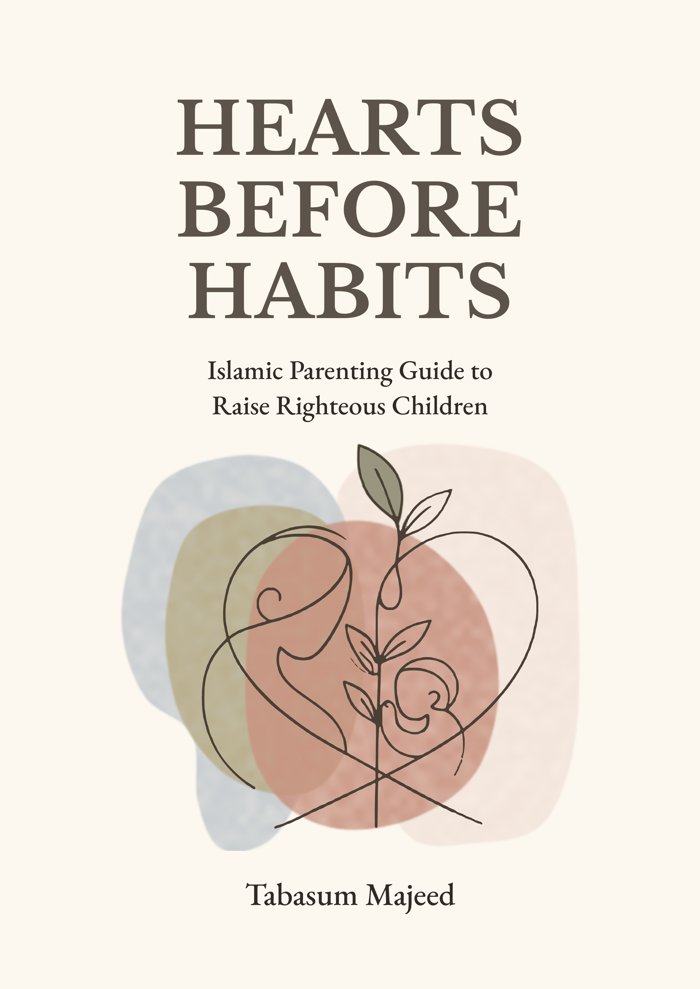
This article draws on Hearts Before Habits — a complete Islamic parenting guide with scripts, du'as, printables and a 30-day plan.
See the book Free printables Recommended booksKeep reading

How to Teach Kids Salah: A Complete Guide by Age
How to teach kids salah the gentle way — what to do from toddler to teen, the Sunnah behind it, real scripts and a simple routine you can start tonight.
Read the article →
How to Teach Quran to Kids at Home: A Gentle Guide
How to teach Quran to kids at home — a simple daily routine, ideas by age, memorisation tips and what the Sunnah says, for busy Muslim moms.
Read the article →
Daily Duas for Kids: 12 Easy Duas Every Muslim Child Can Learn
Daily duas for kids — 12 short, authentic supplications for eating, sleeping, leaving home and more, with meanings and simple ways to teach them.
Read the article →